
The United Kingdom is implementing new changes to the driving licence renewal process for senior citizens starting in 2025. These updates specifically impact drivers aged 65 and above, aiming to ensure road safety while maintaining mobility for older individuals. UK residents who fall into this age group will now have to follow stricter guidelines and medical checks to retain their driving privileges. The government has introduced these rules to balance public safety with individual freedom. This article breaks down the key aspects of the 2025 driving licence renewal process for over-65 drivers in the UK.
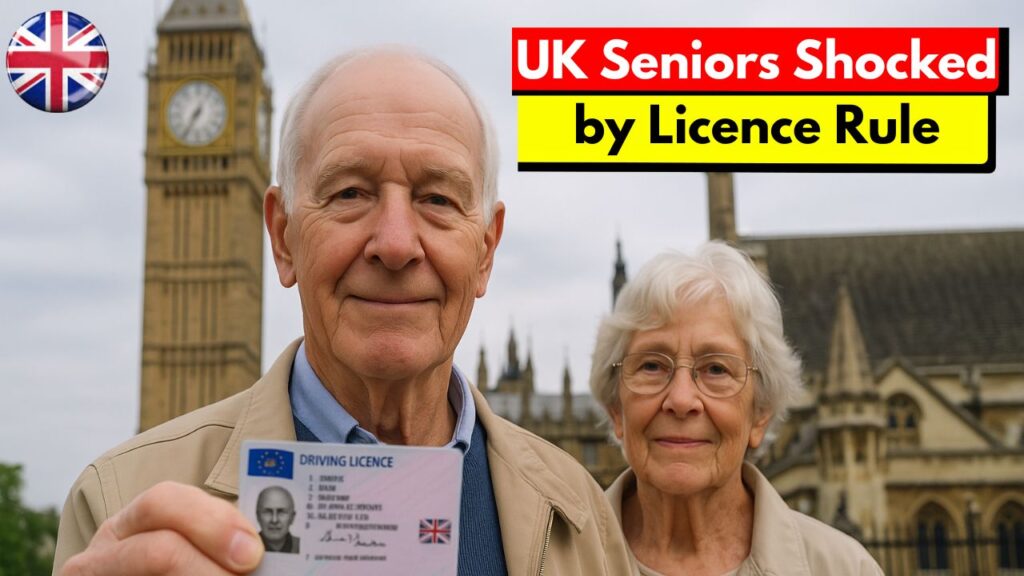
New UK Driving Licence Rules for Over-65 Drivers
Starting in 2025, drivers aged 65 and older in the UK will be required to renew their licences more frequently. The updated renewal frequency has been reduced to every three years, compared to the previous ten-year rule. Alongside this, seniors must provide up-to-date medical reports confirming their fitness to drive. The UK’s Driver and Vehicle Licensing Agency (DVLA) is also rolling out vision and reaction tests for licence renewal applicants. This move is designed to address age-related driving concerns and ensure that senior drivers are safe on public roads. While this may seem like an extra burden, it’s ultimately aimed at protecting all road users.

Medical Requirements for 2025 Driving Licence Renewals
Under the 2025 rules, over-65 UK drivers must submit a detailed medical examination report at the time of renewal. This includes a GP fitness certificate, a vision test report, and in some cases, a neurological evaluation. The DVLA may request additional documents if any health issues are reported or if there is a history of medication side effects. Those suffering from diabetes, epilepsy, or cognitive conditions must provide proof that their condition is well-controlled and stable. This thorough process ensures only capable and mentally alert drivers remain behind the wheel.
Impact of Licence Renewal Changes on UK Senior Drivers
These 2025 changes will have a notable impact on elderly drivers across the UK. Some may find the additional steps challenging, especially those in rural areas with limited access to healthcare. However, the updates are designed to create a more secure driving environment. The DVLA assures that the process will be streamlined through online application support and telehealth assessments where applicable. Moreover, advocacy groups for the elderly are working with the government to ensure equal access to mobility for all senior drivers. These changes reflect a growing focus on driver well-being and safety as the UK’s population ages.
Summary and Insights on 2025 Senior Licence Rules
In summary, the UK government’s 2025 driving licence renewal rules for seniors aim to address the increasing need for road safety measures without compromising the independence of older adults. By enforcing stricter medical checks and frequent renewals, the DVLA seeks to balance freedom of movement with public responsibility. These changes are not meant to penalize senior drivers but to provide a framework for responsible driving habits and ensure ongoing fitness to drive. While there will be adjustments, the long-term benefit is a safer, more aware driving population across the UK.
| Criteria | Details |
|---|---|
| Applicable Age | 65 years and above |
| Renewal Frequency | Every 3 years |
| Medical Certificate | Mandatory from GP |
| Vision Test | Compulsory for all |
| Online Application | Available via DVLA portal |
| Additional Checks | Based on medical history |

Frequently Asked Questions (FAQs)
1. What is the eligibility?
All UK drivers aged 65 and above must renew under the new rules.
2. Is a medical test required?
Yes, a full medical and vision test is mandatory at renewal.
3. Can seniors renew their licence online?
Yes, the DVLA provides an online renewal system for ease.
4. How often must over-65s renew?
Seniors must renew their licence every three years after age 65.